
Lung
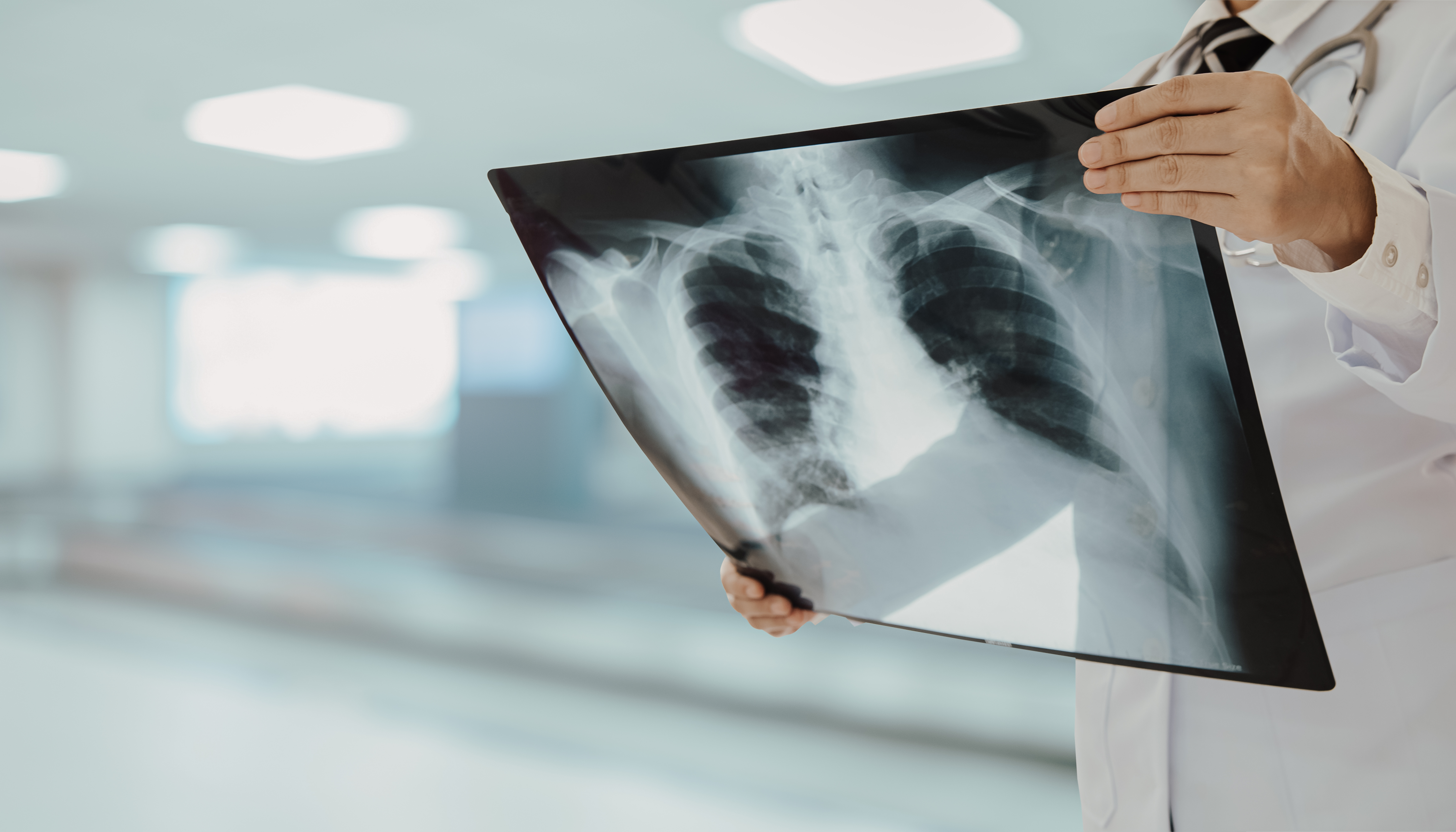
At West Cancer Center, lung cancers are treated using a team-based approach. Our specialists work together to provide personalized care for patients diagnosed with lung cancer, including non-small cell lung cancer, small cell lung cancer, and other lung tumors. Because every patient and diagnosis is unique, our team develops an individualized treatment plan focused on expert, compassionate care and the best possible outcomes.
Adenocarcinoma
Starts in mucus-making cells in the outer parts of the lung. It is the most common type and often occurs in non-smokers.
Risk Factors
• Smoking
• Radon exposure
• Secondhand smoke
• Asbestos exposure
• Air pollution
• Occupational exposures
Common Symptoms
• Persistent cough
• Coughing up blood
• Chest pain
• Shortness of breath
• Recurrent pneumonia
• Hoarseness
• Fatigue
• Unexplained weight loss
Diagnosis
• Chest CT
• PET/CT and brain imaging, as appropriate
• Biopsy
• Molecular testing
• PD-L1 testing
Treatment Options
• Surgery or stereotactic radiation for selected early-stage disease
• Chemotherapy
• Radiation therapy
• Targeted therapy
• Immunotherapy, based on stage and biomarkers
Squamous Cell Carcinoma
Begins in the flat cells inside the central airways, or bronchi.
Risk Factors
• Smoking
• Radon exposure
• Asbestos exposure
• Secondhand smoke
• Occupational exposures
Common Symptoms
• Cough
• Coughing up blood
• Chest pain
• Shortness of breath
• Wheezing
• Recurrent respiratory infections
• Fatigue
• Unexplained weight loss
Diagnosis
• CT and PET imaging
• Bronchoscopy or biopsy
• Tumor biomarker testing, including PD-L1
• Selected molecular testing
Treatment Options
• Surgery
• Radiation therapy
• Chemotherapy
• Immunotherapy
• Selected targeted therapies
• Clinical trials, depending on stage and tumor features
Large Cell Carcinoma
Can begin in any part of the lung and tends to grow and spread quickly.
Risk Factors
• Smoking
• Environmental exposures associated with other non-small cell lung cancers
• Occupational exposures
• Other lung-cancer carcinogen exposures
Common Symptoms
• Cough
• Chest pain
• Shortness of breath
• Coughing up blood
• Fatigue
• Recurrent respiratory infections
• Unexplained weight loss
Diagnosis
• CT and PET imaging
• Tissue biopsy
• Pathology review
• Molecular testing
• PD-L1 testing
Treatment Options
Treatment generally follows NSCLC approaches and may include:
• Surgery
• Radiation therapy
• Chemotherapy
• Immunotherapy
• Targeted therapy if an actionable mutation is found
Small Cell Carcinoma
Also called oat cell cancer. It begins in the inner airways, and is very aggressive.
Risk Factors
• Cigarette smoking
• Radon exposure
• Other inhaled carcinogens
Common Symptoms
• Rapidly worsening cough
• Chest pain
• Shortness of breath
• Coughing up blood
• Fatigue
• Unexplained weight loss
• Neurologic symptoms
Diagnosis
• CT imaging
• Staging imaging
• Biopsy
• Brain MRI
• Classification as limited-stage or extensive-stage disease
Treatment Options
• Extensive-stage disease: Chemotherapy plus immunotherapy
• Limited-stage disease: Chemotherapy with chest radiation
• Additional radiation in selected cases
Combined Small Cell Carcinoma
A mixture of small cell and other cell types.
Risk Factors
• Cigarette smoking
• Other lung-cancer carcinogen exposures
Common Symptoms
• Cough
• Chest pain
• Shortness of breath
• Coughing up blood
• Fatigue
• Unexplained weight loss
Diagnosis
• Imaging
• Tissue biopsy to identify both small-cell and non-small-cell components
• Staging evaluation
Treatment Options
• Treatment is generally guided by the small-cell component and may include:
• Platinum-based chemotherapy
• Immunotherapy
• Radiation therapy
• Surgery is rarely used