
What is Radiation Therapy?
Radiation therapy is a cancer treatment that uses high-energy beams to destroy cancer cells or stop them from growing. Think of it like a focused beam of energy aimed at the tumor. It damages the cancer cells’ DNA so they can’t keep multiplying. Over time, your body clears away these damaged cells. Doctors use special machines to target the cancer while protecting nearby healthy tissue.
Radiation Treatments:
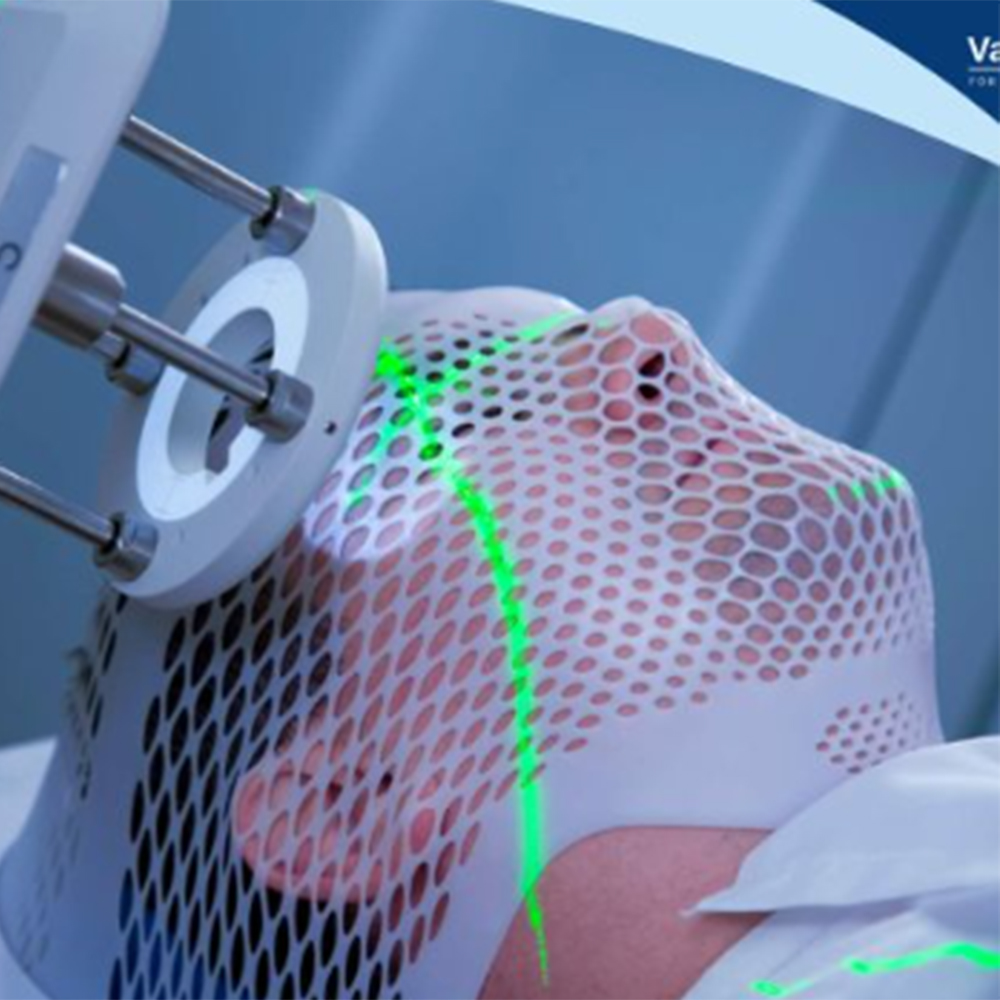
Cranial Stereotactic Radiosurgery
- What It Is: Highly focused radiation for brain conditions—no surgery needed.
- Used For: Brain tumors, AVMs, trigeminal neuralgia.
- What to Expect: 1–2 sessions; you’ll wear a head frame or mask.
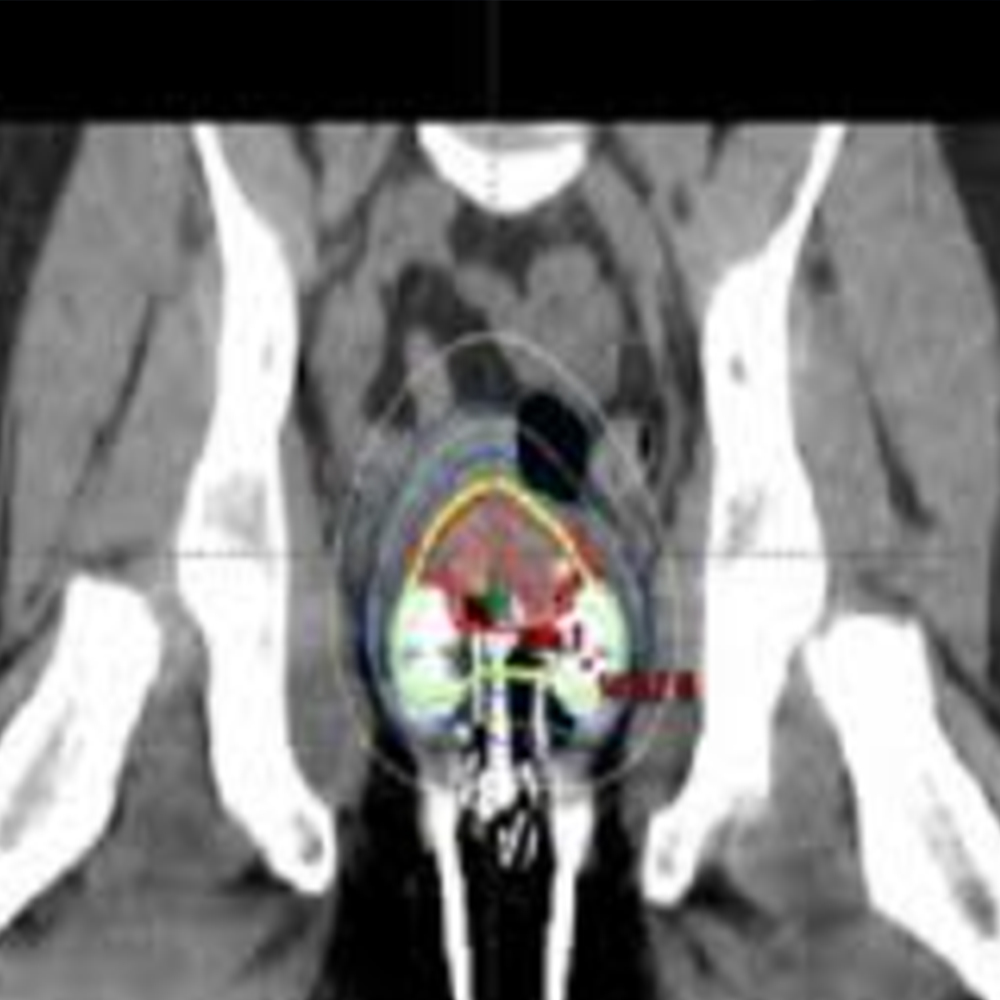
GYN High-Dose Brachytherapy
- What It Is: Places a tiny radioactive source inside the uterus or vagina to treat cancer.
- Used For: Cervical and endometrial cancers.
- What to Expect: Short outpatient sessions after applicator placement under anesthesia.
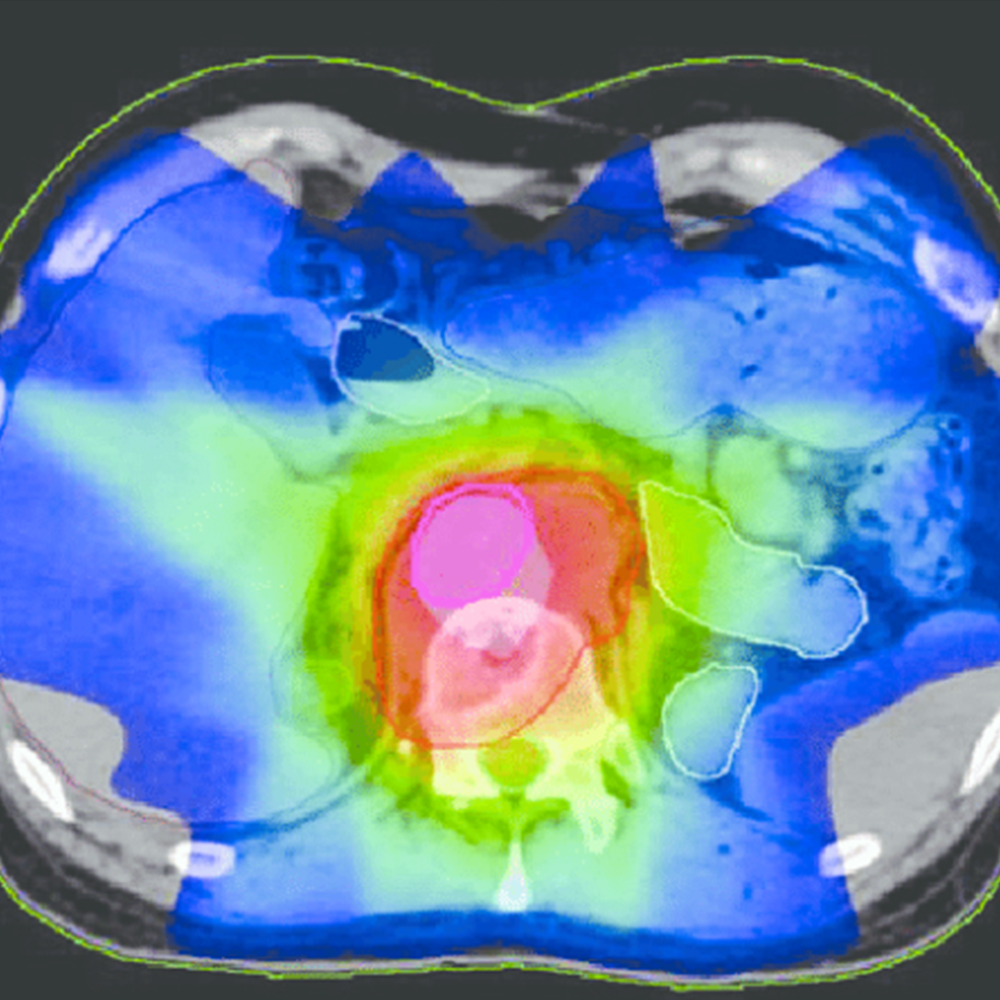
IMRT (Intensity Modulated Radiation Therapy)
- What It Is: A machine shapes radiation beams to match your tumor.
- Used For: Many cancers (prostate, breast, lung, brain).
- What to Expect: Painless sessions, 10–30 minutes, usually 5 days a week for several weeks.
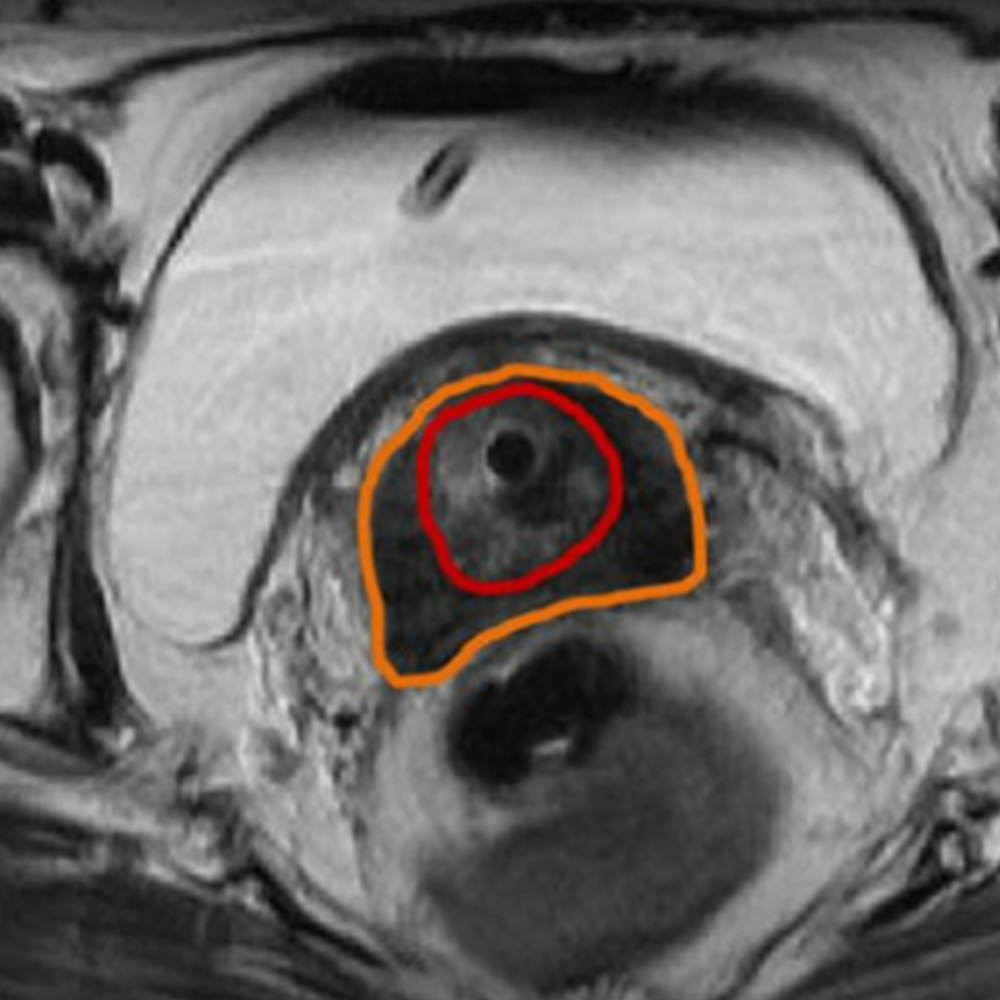
MRI Brachytherapy
- What It Is: Uses MRI imaging for precise placement of radiation inside the body.
- Used For: Gynecologic and prostate cancers.
- What to Expect: Short outpatient treatments with imaging guidance.
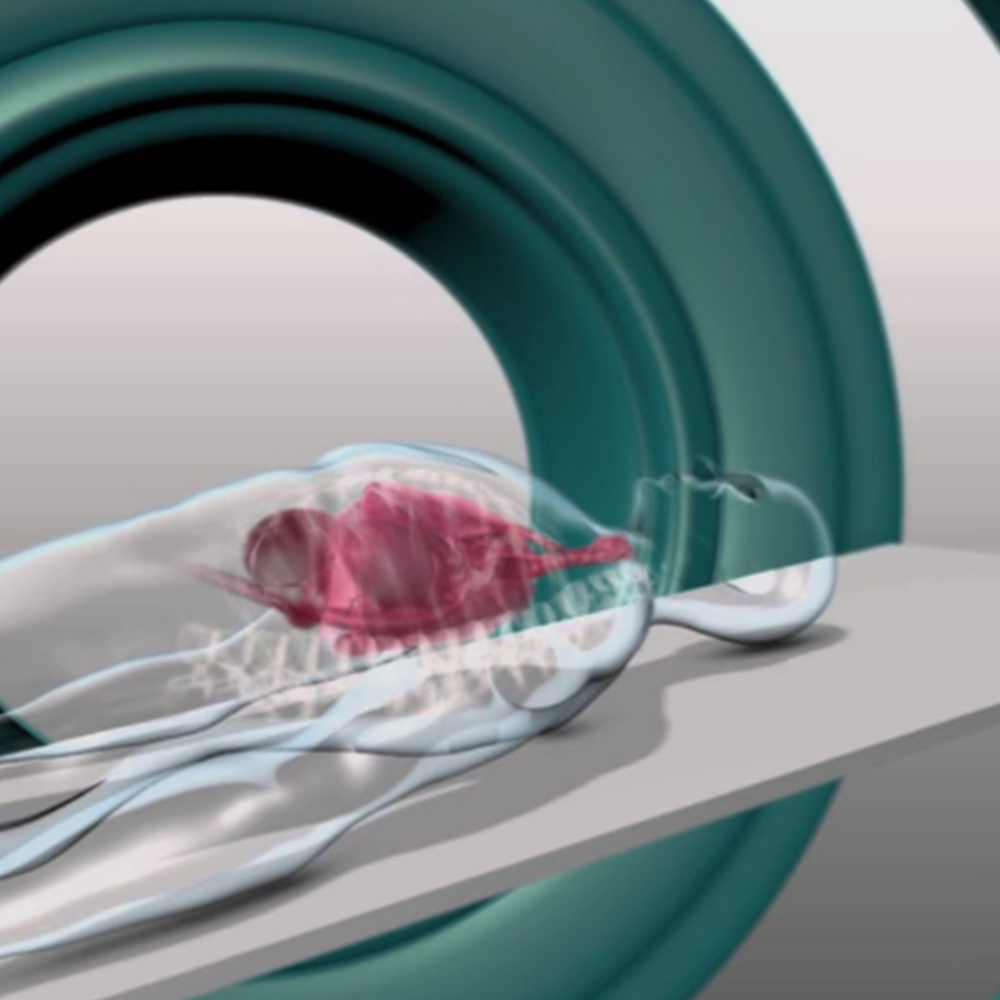
MRI Brachytherapy
- What It Is: Uses MRI imaging for precise placement of radiation inside the body.
- Used For: Gynecologic and prostate cancers.
- What to Expect: Short outpatient treatments with imaging guidance.
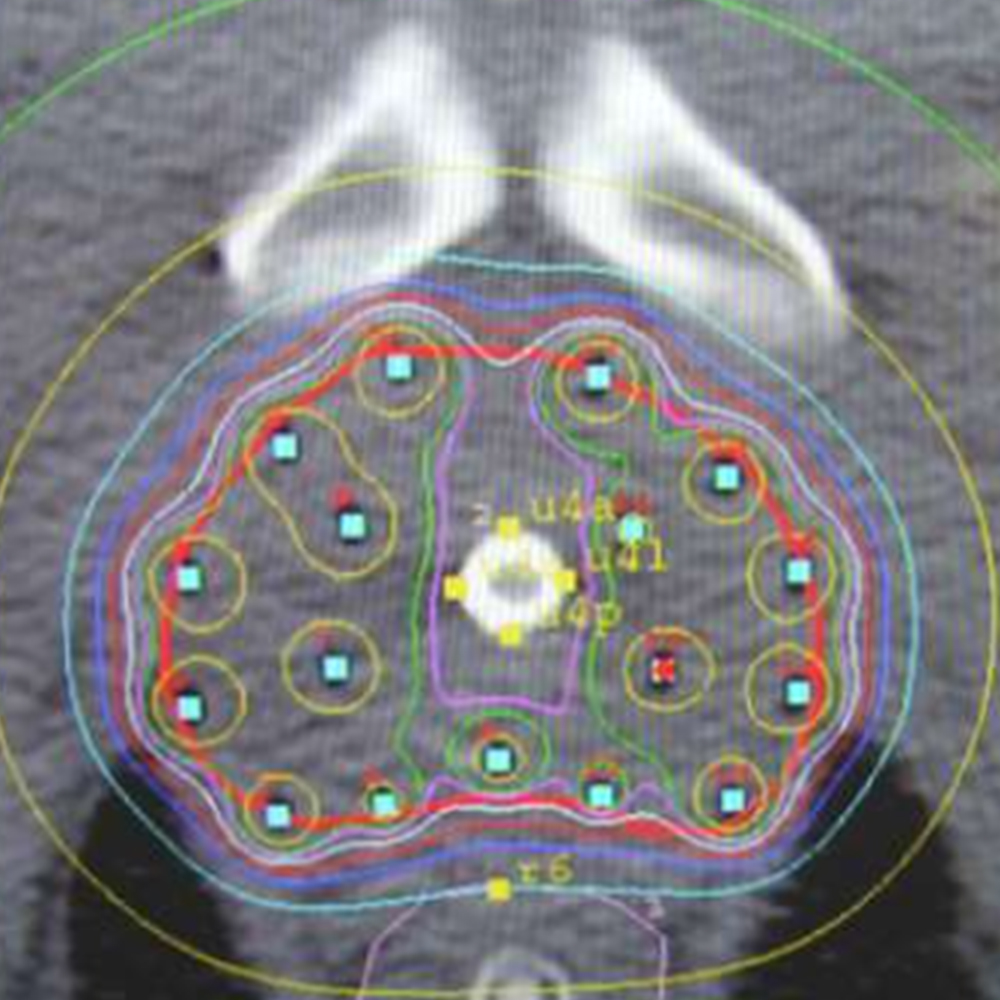
Prostate Low-Dose Brachytherapy
- What It Is: Tiny radioactive seeds placed in the prostate.
- Used For: Localized prostate cancer.
- What to Expect: Outpatient procedure; seeds stay in place but become inactive after months.
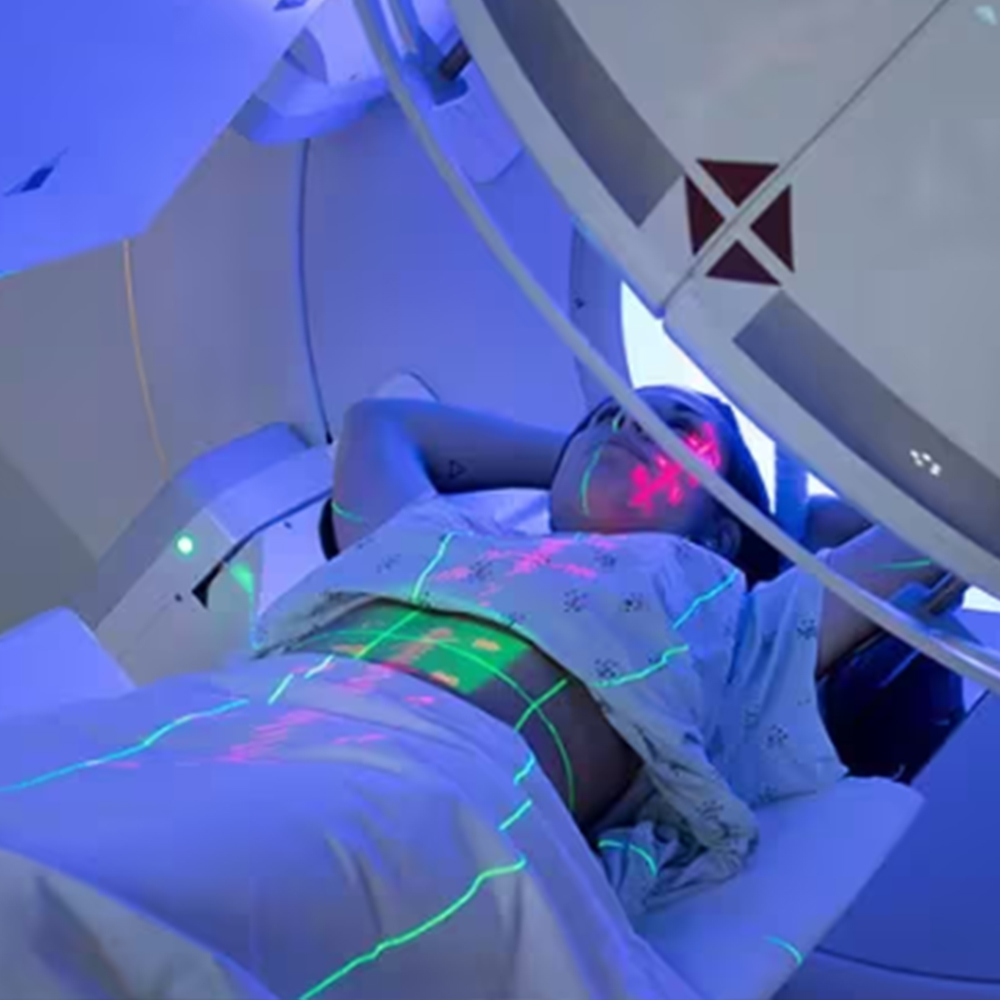
SBRT (Stereotactic Body Radiation Therapy)
- What It Is: High-dose radiation in just a few sessions.
- Used For: Lung, liver, pancreas, spine, and some prostate cancers.
- What to Expect: 1–5 sessions, each 30–60 minutes.
Optune
- What It Is: A wearable device that sends gentle electrical fields to the brain.
- Used For: Glioblastoma (GBM).
- What to Expect: Wear it most of the day; mild scalp irritation is common.
Frequently Asked Questions:
What to Expect:
During your consultation, your Radiation Oncologist will perform a physical exam and review your medical history along with any lab or radiology reports. You and your doctor will then review your various options, together deciding on a treatment plan that is right for you. Once you have met with our Radiation Oncology team, it is likely you will need another CT scan, called a Simulation, in order to best customize your treatment.
What is Simulation?
Simulation is a dress rehearsal for your actual radiation therapy sessions. The simulator is a machine that helps your physicists plan to direct the radiation beam so that damage to normal healthy tissue is kept to a minimum. This will be your longest day here, as you will be at the facility about 1.5 hours.
What Happens During Treatment?
Most patients receive their treatments through a method called “external beam radiation.” One type of machine that delivers the radiation is called a linear accelerator. As you lie down, a radiation therapist will move the head of the machine where it needs to be for proper delivery of the radiation. Although you will be alone in the treatment room while the machine is on, the radiation therapist can watch you through a camera to make sure you are safe and comfortable. There is a microphone in the room so that you can talk to the therapist.
How often do I have to come in for treatment?
Depending on the location and stage of your tumor, your radiation oncologist may schedule anywhere from one to eight weeks of radiation therapy. Your body cannot handle large amounts of radiation all at once, so you will receive small doses on a daily basis. Most often, your therapy will be scheduled on an outpatient basis, Monday through Friday. It is very important that you do not miss or skip any of your treatments unless ordered by your doctor.
Will I feel anything when I receive my radiation treatments?
You will not feel or see anything when you receive your radiation - it is a quick and painless process. The machine may slowly move around you during treatment, and you may hear a slight buzzing sound when the machine is turned on. The whole process, from entering the treatment room until you have finished your treatment usually takes between 15 and 30 minutes.
What side effects can I expect?
Your body is trying to repair itself as the radiation is trying to destroy the tumor, so you will most likely experience some fatigue during your therapy. This is normal. Depending on the location of your treatment, you may notice some tanning or sunburn on your skin, or soreness of the tissues.
Discuss these side effects with your doctor or nurse. Also, you may read more about how to alleviate potential side effects here.
Radiation Oncology Providers

Michael Farmer, MD

Holger Gieschen, MD

Paul Koerner, MD

Micah Monaghan, MD
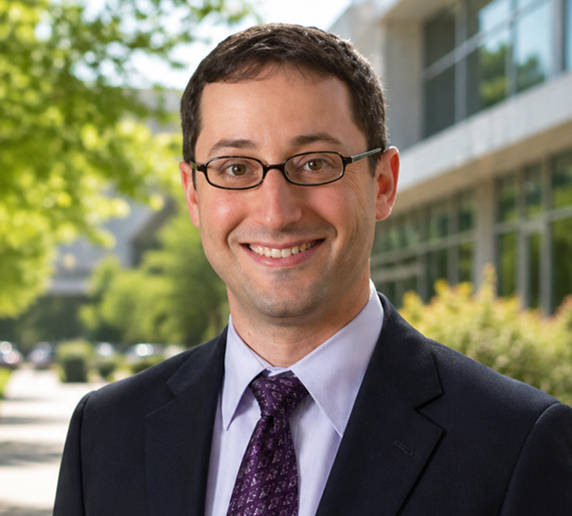
Noam VanderWalde, MD, MS

Yuefeng Wang, MD
Contact Us:
Phone: 901.624.2600
Fax: 901.922.6767 / Physician Referral Form
Email: support@westclinic.com
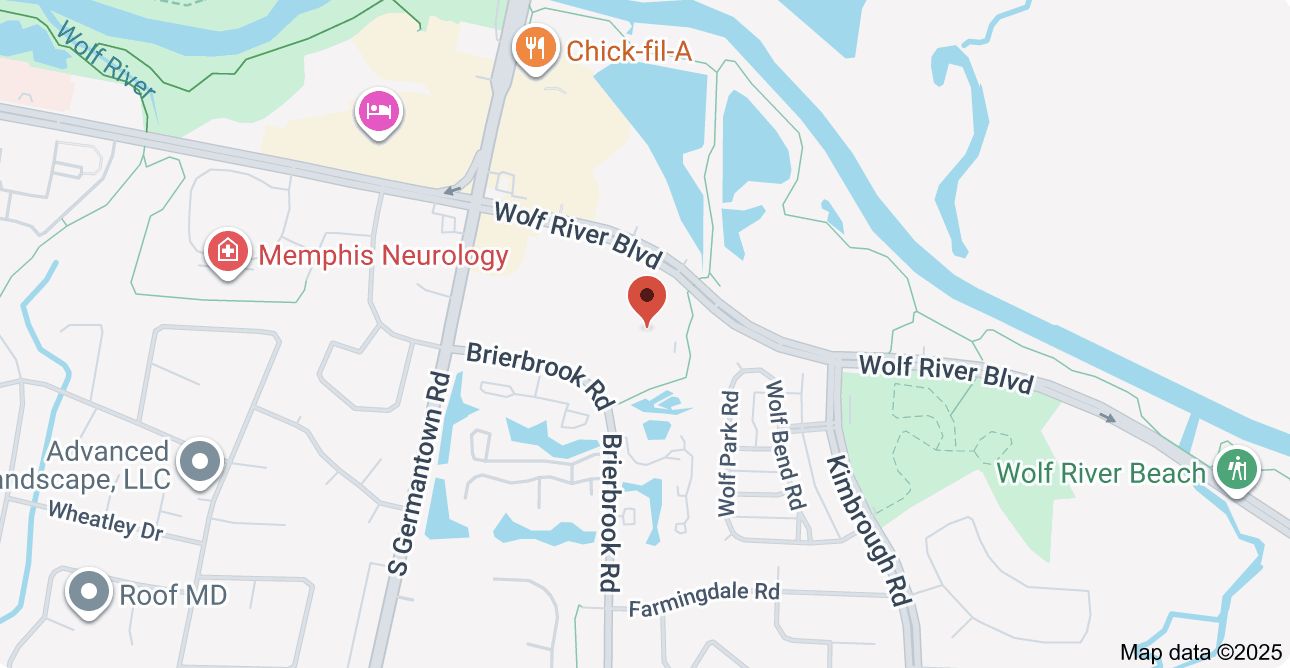
Address: 7945 Wolf River Boulevard, Germantown, TN 38138