

To schedule an appointment or refer a patient, please call 901.692.9600 or fax this referral sheet to 901.692.9606.
About Our Breast Center
At Margaret West Comprehensive Breast Center, we walk hand-in-hand with patients through-out their breast care journey. Our team offers a full suite of services from screening and wellness to diagnostic, further treatment needs, and survivorship. Our commitment is to ensure that everyone entering our clinic is equipped with the necessary resources and education about general breast health, breast cancer and the importance of early detection.
Appointments can be made by patients or via physician referrals for new consultations or 2nd opinion.
In-Office Procedures
3D Screening Mammogram
A 3D screening mammogram, also called digital breast tomosynthesis, is a routine imaging test used to look for breast cancer in women who do not have breast symptoms. It takes multiple low-dose X-ray images of the breast from different angles, creating detailed views of the breast tissue. This can make it easier to identify small abnormalities, particularly in women with dense breast tissue.
3D Diagnostic Mammogram
A 3D diagnostic mammogram provides more detailed breast imaging when there is a specific concern, such as a breast lump, nipple changes, breast pain, an abnormal screening mammogram, or another change that needs further evaluation. Additional or specialized images may be taken to closely examine a particular area. Diagnostic mammography helps the radiologist determine whether additional testing, such as an ultrasound or biopsy, may be needed.
Cryoablation Therapy
Cryoablation therapy for breast cancer is a minimally invasive treatment that uses a thin probe and extreme cold to freeze and destroy cancerous breast tissue. It may be an option for select patients with certain small, early-stage breast cancers, often without traditional surgery.
DEXA Bone Scan
A DEXA bone scan is a quick, low-dose X-ray that measures bone density and helps identify bone loss, osteoporosis, and risk for fractures.
High Risk Breast Clinic
At the Margaret West Comprehensive Breast Center, our physicians, staff, and community outreach liaisons work closely with patients throughout their breast health journey. We provide education, resources, and personalized support focused on breast health, cancer prevention, and early detection.
Our High Risk Breast Clinic provides specialized care and personalized screening recommendations for patients who may have an increased risk of developing breast cancer.
Breast Biopsy
A breast biopsy is a procedure that removes a small sample of breast tissue so it can be examined for cancer or other abnormal changes.
Breast Ultrasound with Biopsy
A breast ultrasound with biopsy uses ultrasound imaging to guide a needle to a specific area of concern and remove a small tissue sample for testing.
Breast MRI with Biopsy
A breast MRI with biopsy uses detailed MRI imaging to locate a suspicious area and guide a needle to collect a small tissue sample for testing.
Stereotactic Breast Biopsy
A stereotactic breast biopsy uses mammogram images to precisely locate an area of concern and guide a needle to collect a small tissue sample for testing.
Breast-Specific Genetic Counseling
To further our commitment to patients and their families here, we are now excited to offer breast-specific genetic counseling and testing! As a facet of our High Risk Breast Clinic, patients that have a familial history of breast or ovarian cancer can meet with our on-site High Risk provider to discuss their personal risks and perform genetic testing if necessary.
Surgical Procedures
Mastectomy
A mastectomy is a surgical procedure that removes breast tissue to treat breast cancer or, in some cases, to reduce the risk of developing breast cancer. The type of mastectomy recommended depends on the location and extent of the cancer, breast size, personal risk factors, and the patient’s individual preferences. Some procedures may preserve the breast skin and/or nipple, and nearby lymph nodes may also be evaluated or removed. Breast reconstruction can often be performed at the time of the mastectomy or at a later date, depending on the patient’s treatment plan and preferences.
Nipple Sparing Mastectomy
A nipple-sparing mastectomy is a type of breast surgery that removes the breast tissue while preserving the natural skin of the breast, including the nipple and areola. This approach may be an option for certain patients with breast cancer or those undergoing surgery to reduce their future breast cancer risk.
Breast reconstruction is typically performed at the same time, using an implant or the patient’s own tissue. Preserving the nipple and breast skin can provide a more natural appearance after reconstruction. Not every patient is a candidate, so your breast surgeon and reconstructive surgeon will consider the location and extent of the cancer, breast anatomy, overall health, and other individual factors when recommending this procedure.
Lumpectomy
A lumpectomy, also known as breast-conserving surgery, is a procedure that removes the breast cancer or abnormal area along with a small amount of surrounding healthy tissue, while preserving as much of the breast as possible. The removed tissue is carefully examined to make sure the edges, or “margins,” are free of cancer cells. Nearby lymph nodes may also be evaluated during surgery. Lumpectomy is often followed by radiation therapy to help reduce the risk of the cancer returning in the breast, depending on the patient’s individual diagnosis and treatment plan.
Lymph Node Surgery
Lymph node surgery helps determine whether breast cancer has spread beyond the breast and can help guide treatment decisions. The most common lymph node procedures include:
• Sentinel Lymph Node Biopsy: Removes a small number of the first lymph nodes most likely to receive cancer cells from the breast. These nodes are examined for cancer and, when negative, additional lymph node surgery can often be avoided.
• Axillary Lymph Node Dissection: Removes a larger number of lymph nodes from the underarm (axilla). This procedure may be recommended when cancer is known to involve multiple lymph nodes or in certain situations based on the patient’s diagnosis and treatment plan.
• Targeted Axillary Dissection: Combines removal of the sentinel lymph nodes with removal of a specific lymph node that was previously identified as containing cancer, often after chemotherapy or other treatment given before surgery.
Your breast cancer team will recommend the approach that provides the information needed to plan treatment while removing as few lymph nodes as safely possible.
Our Providers

Our Name
The Margaret West Comprehensive Breast Center received its name through a significant financial gift from Betty and Jack Moore in honor of West Clinic’s founder, William H. West, MD, who lost his mother to breast cancer.
Contact Us:
Phone: 901.692.9606
Fax: 901.922.6767 / Physician Referral Form
Email: support@westclinic.com
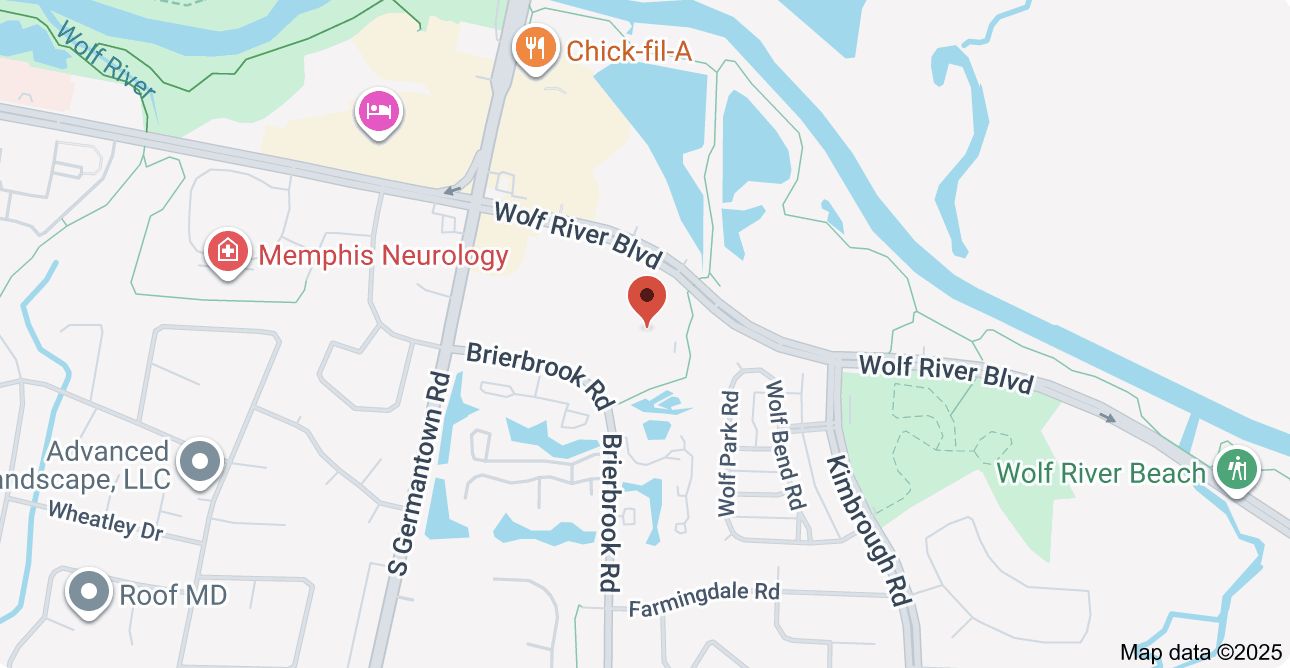
Address: 7945 Wolf River Boulevard, Germantown, TN 38138