
At West Cancer Center & Research Institute, our radiology team offers advanced, minimally invasive procedures designed to relieve pain, restore function, and improve quality of life. Using image-guided techniques, our specialists target the underlying causes of pain and disease to provide lasting relief without the need for major surgery.
Each treatment plan is personalized to meet the individual needs of our patients — offering faster recovery, fewer risks, and renewed comfort through leading-edge, image-guided care.

GENICULATE ARTERY EMBOLIZATION
Experiencing knee pain from arthritis? Geniculate Artery Embolization (GAE) may be the answer for you. This minimally invasive out-patient treatment targets inflammation in the knee – causing pain.
How It Works
GAE works by blocking small blood vessels in the knee that contribute to inflammation and pain.
Benefits
- Pain Relief: Studies show significant improvement in pain and knee function.
- Minimally Invasive: No large incisions or long recovery times.
- Reduces Need for Medications: Many patients reduce or stop using painkillers, including opioids.
- Delays Surgery: GAE may help avoid or postpone knee replacement surgery.
Procedure
- A small catheter is inserted by your Interventional Radiologist into the blood vessels supplying the knee.
- Tiny particles are injected to block the vessels causing inflammation or bleeding.
- The procedure is done under local anesthesia and typically takes 1–2 hours.
Recovery
- GAE is an outpatient procedure, meaning you can go home the same day.
- Pain relief is often noticeable within days to weeks.
Results can last up to 2 years, though some patients may need repeat treatment.
Ideal Patient
- Have mild to moderate knee Osteoarthritis (OA) who have not found relief with medications, physical therapy, or injections.
- Want to delay or prevent the need for surgery, such as a total knee replacement.
- Are experiencing hemarthrosis (bleeding inside the knee joint), often caused by trauma, bleeding disorders, or complications after knee surgery.
- Want to stop the bleeding and/or reduce inflammation, preventing further damage to the knee.

PLANTAR FASCIITIS EMBOLIZATION (PFE)
If you have sharp heel pain, the cause may be Plantar Fasciitis, which is due to irritation and inflammation of the thick band of tissue along the bottom of your foot (plantar fascia). We offer a minimally invasive procedure when other conservative treatments have failed.
How It Works
It’s irritation and inflammation of the plantar fascia—a thick band of tissue that runs along the bottom of your foot, connecting your heel to your toes. This causes sharp heel pain, especially when you first stand up in the morning.
Benefits
- No large incision (just a small puncture).
- Usually done under local anesthesia.
- Quick recovery compared to surgery.
- Can help when other conservative treatments fail.
Procedure Details
- Our Interventional Radiologist makes a tiny puncture (usually in your leg or groin) and inserts a thin tube called a catheter.
- Using imaging guidance, they navigate to the small blood vessels near the plantar fascia.
- They release microscopic beads to partially block these vessels, reducing inflammation and pain.
Recovery
-The procedure is outpatient, so you usually go home the same day.
- Most patients can walk right after the procedure.
- Typically, within a few days, you can return to normal activity, compared to weeks or months for surgery.
- Significant improvement is often reported within a few weeks, though full relief may take longer depending on severity and individual healing factors
Ideal Patient
Are experiencing Chronic heel pain lasting 3–6 months or more that hasn’t improved with standard treatments like stretching and physical therapy, orthotic shoe inserts, ice therapy, steroid injections or shockwave therapy
- Have pain that is worst in the morning or after periods of inactivity.
- Who wants a non-surgical option with faster recovery and less risk than traditional surgery.
- Have received Imaging or clinical evaluation that suggests abnormal blood vessel growth around the plantar fascia (a common cause of persistent inflammation).
- Are in general good health and can undergo a minimally invasive procedure under local anesthesia
PROSTATIC ARTERY EMBOLIZATION
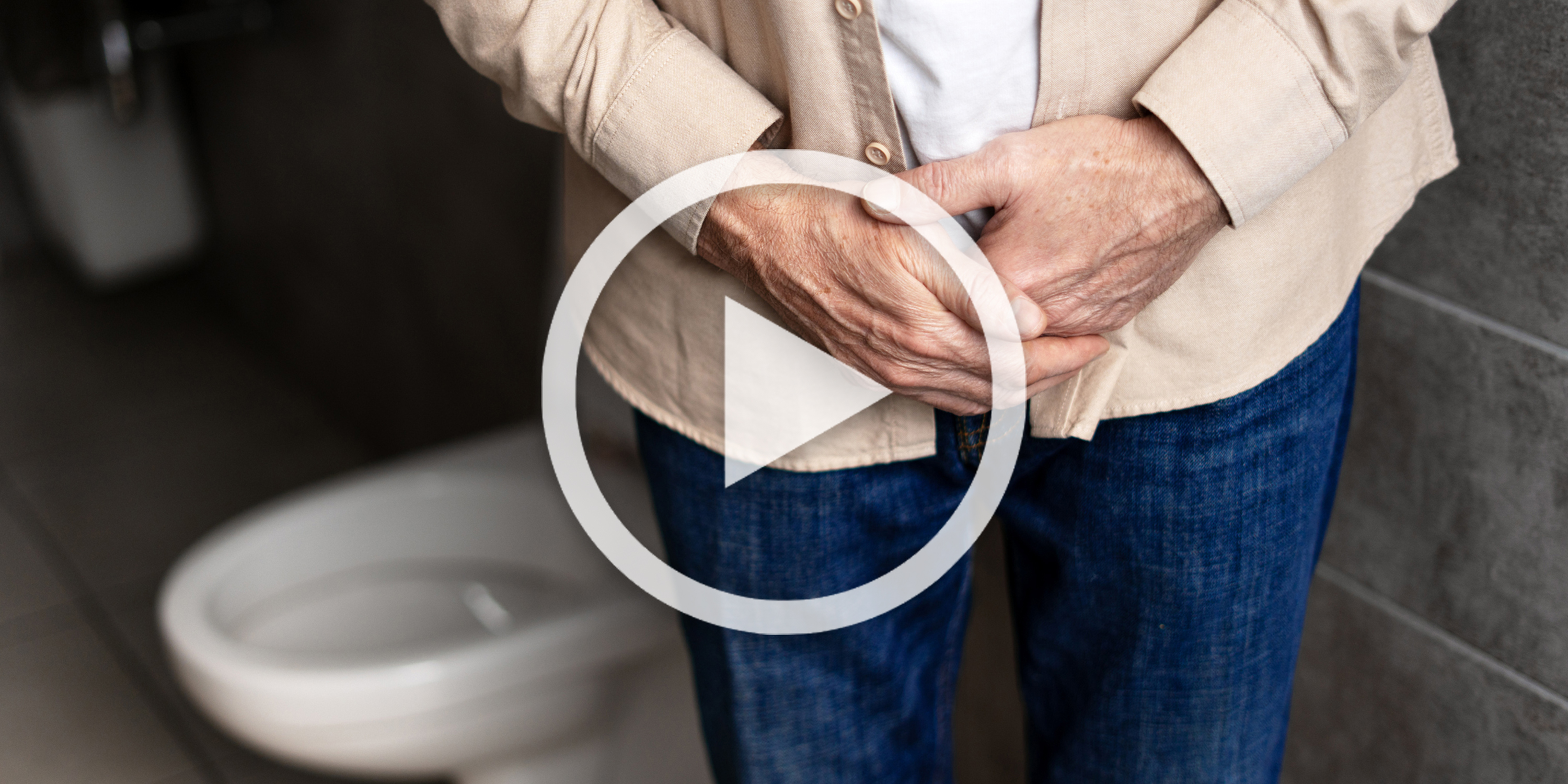
Men experiencing difficulty urinating, frequent urination, or bladder failure may have a condition called Benign Prostatic Hyperplasia (BPH). If you are having these symptoms, a minimally invasive option -PAE- may be right for you.
How It Works
PAE involves blocking the blood supply to the prostate using tiny particles, which reduces its size and relieves symptoms. The procedure is guided by advanced imaging techniques to ensure precision and safety.
Benefits
- Minimally Invasive: PAE is performed through a small incision, avoiding the need for major surgery.
- Outpatient Procedure: Most patients can return home the same day.
- Preserves Function: PAE is an option for men who wish to preserve erectile and ejaculatory function.
- Effective Relief: The procedure reduces prostate size, improves urinary symptoms, and enhances quality of life.
- Low Risk of Complications: PAE has a favorable safety profile with fewer side effects compared to traditional surgical options.
Procedure Details
- You will receive a thorough evaluation, including imaging tests (ultrasound, MRI, or CT), to assess your condition and plan the treatment.
- A small catheter is inserted into an artery by your Interventional Radiologist, typically in the wrist or groin, to deliver the particles to the prostate.
Recovery
- Most patients experience symptom improvement within weeks. Follow-up appointments will monitor your progress.
- Some patients may experience mild side effects such as temporary pain, urinary discomfort, or mild bleeding. Serious complications are rare.
Ideal Patient
- BPH and symptoms that do not respond to medication.
- Intolerance to or refusal of surgery.
- Urinary retention requiring a catheter.
- Hematuria (blood in urine) caused by the prostate.
- Large prostate glands, including those over 80 cm³.

UTERINE FIBROID EMBOLIZATION (UFE)
Women who want to avoid a hysterectomy to relieve heavy bleeding and pelvic pain may be ideal candidates for UFE, a minimally invasive, out-patient option.
How It Works
UFE works by blocking the blood flow to the fibroids. Without blood, the fibroids shrink over time and symptoms improve.
Benefits
- It’s not major surgery, so recovery is faster (2 days-2 weeks).
- It preserves the uterus, unlike a hysterectomy.
- Can treat multiple fibroids regardless of size or location.
- Most women experience significant relief from symptoms (>90% experienced improvement in bleeding and >70% improvement in pelvic pain/congestion).
Procedure Details
- Your Interventional Radiologist makes a tiny puncture in your groin or wrist.
- A thin tube (called a catheter) is guided into the arteries that supply blood to the fibroids.
- Tiny particles (like grains of sand) are injected to block these blood vessels.
- With no blood supply, the fibroids shrink gradually over weeks or months.
Recovery
- You’ll likely go home the same day or after a short hospital stay.
- Some cramping, pain, or mild fever can happen for a few days after the procedure (called post-embolization syndrome).
Ideal Patient
- Experience moderate to severe symptoms including heavy or prolonged bleeding, pelvic pain or pressure, frequent urination or constipation due to fibroid pressure, or pain during intercourse.
- Want to avoid a major surgery.
- Wish to preserve their uterus.

RECTAL ARTERY EMBOLIZATION (RAE)
Struggling with pain or bleeding from hemorrhoids? RAE is a minimally invasive, out-patient treatment that targets the blood vessels supplying hemorrhoids.
How It Works
RAE reduces blood flow to internal hemorrhoids by using small particles and coils to shrink them and stop bleeding.
Benefits
- Effective Symptom Relief: This procedure has a high success rate (93%-100%) and clinical improvement (63%-94%) reported in studies, with significant reduction in bleeding and discomfort.
- Low Risk of Complications: The complication rates are low, with no reported anal complications or sphincter dysfunction, making it a safe option for eligible patients.
- Suitable for Various Grades of Hemorrhoids: RAE is effective for grades II–III hemorrhoidal prolapse and can be considered for grade I and IV cases under specific conditions.
- Improved Quality of Life: Patients report significant improvements in their quality-of-life post-procedure, as assessed by standardized health surveys.
Procedure Details
- A catheter is inserted into the arteries that supply blood to the hemorrhoids by our Interventional Radiologist and tiny particles are injected to block blood flow.
- There are no incisions or sutures. This causes the hemorrhoids to shrink and symptoms to improve.
Recovery
- Patients are discharged the same day with minimal post-procedure pain.
- Patients may feel slight pressure or discomfort, but pain is generally low.
- Most patients resume normal activities within 1–2 days.
- Studies show high success rates in reducing bleeding, pain, and discomfort.

VERTEBROPLASTY / KYPHOPLASTY
Back pain from spinal compression fractures can be extremely painful and impact your mobility. A minimally invasive, out-patient procedure done under local anesthesia called Vertebroplasty or Kyphoplasty may be your answer.
Vertebroplasty
- Think of it like filling a crack in a wall.
- Your Interventional Radiologist uses a thin needle to inject a special medical cement into the broken vertebra.
- The cement hardens quickly, acting like an internal cast to stabilize the bone and stop pain.
- No balloon is used—just cement straight into the fracture.
Kyphoplasty
- This procedure is similar to vertebroplasty, but with an extra step.
- Before injecting cement, the doctor inserts a tiny balloon into the fractured vertebra and inflates it.
- This balloon helps lift the collapsed bone and restore some of its original height.
- Then the balloon is removed, and cement is injected into the space created.
- This can improve spinal alignment and reduce deformity.
What's Common in Both
- Minimally invasive: No big cuts, just a small needle.
- Done under local anesthesia with sedation.
- Usually takes less than an hour.
- Most people go home the same day and feel pain relief within hours.
Ideal Patient
- Have a confirmed vertebral compression fracture (often due to osteoporosis, trauma, or cancer).
- Have a recent fracture (typically within the last 6–8 weeks).
- Experience persistent, severe pain that limits your ability to move or perform daily activities and has not improved with conservative care (rest, pain medication, bracing, physical therapy).
- Imaging (X-ray, CT, or MRI) shows the fracture and rules out other causes of pain.
- Are medically stable enough for a minimally invasive procedure under sedation.

Meet Dr. Michael Doherty:
Dr. Michael Doherty has brought an innovative Pain and Disease Management Program to West Cancer Center & Research Institute, expanding minimally invasive treatment options for our patients. Through advanced embolization procedures, Dr. Doherty can target the source of certain conditions while minimizing disruption to surrounding healthy tissue. These procedures offer an alternative to more invasive treatments, often resulting in less discomfort and faster recovery times. By helping reduce pain and improve function, these procedures can make a meaningful difference in a patient’s quality of life. This program reflects West’s commitment to providing advanced treatment options designed to help patients feel better, recover faster, and get back to the activities they enjoy.
Scheduling an Appointment:
To refer a patient or schedule an appointment, please contact our Radiology Department directly using the information below, or call us at 901.609.3556. Our team is ready to assist you with any questions and ensure a seamless scheduling experience.
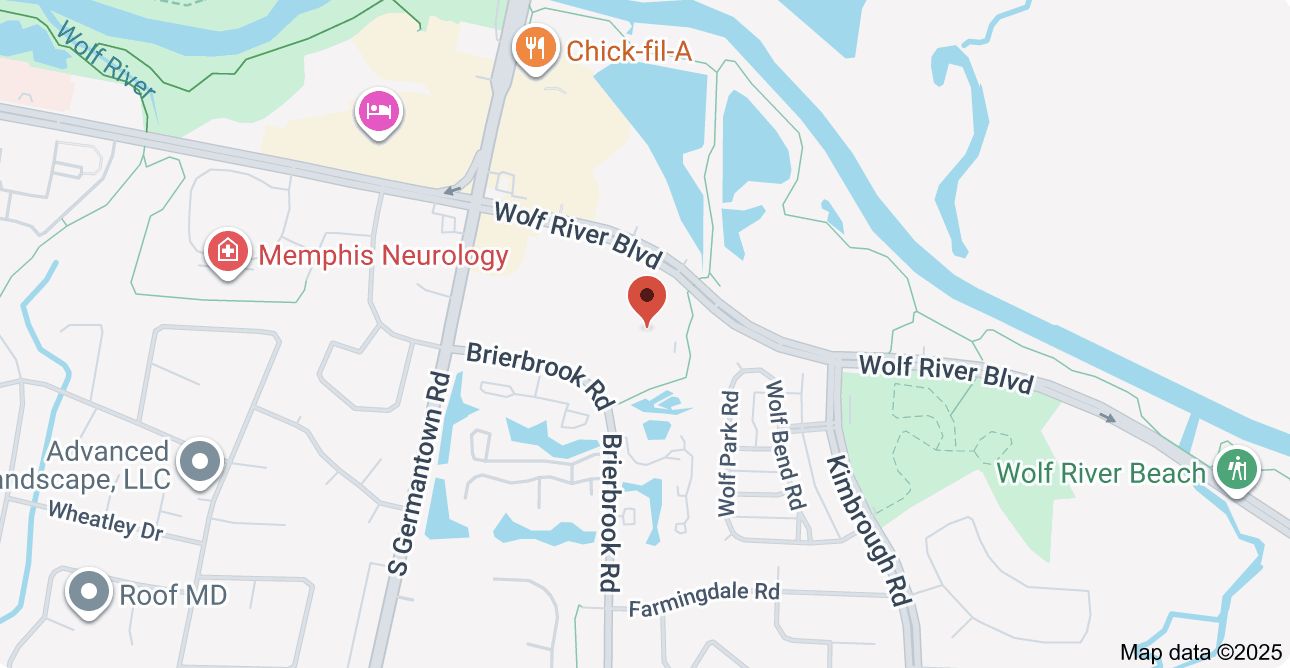
All of our multidisciplinary radiology services are available at our Wolf River / Germantown Clinic.
Phone: 901.609.3556
Fax: 901.322.2994 / Physician Referral Form
Email: support@westclinic.com
Address: 7945 Wolf River Boulevard, Germantown, TN 38138